About Sabina
Behavioral health education that feels human, hopeful, and practical.
I’m Sabina Zunguze, a behavioral health educator and suicide prevention advocate with more than two decades of experience helping organizations, schools, and communities talk about mental health in ways that are compassionate, clear, and actionable.
My work focuses on non-clinical, supportive education—equipping leaders, colleagues, caregivers, and everyday community members with the language, confidence, and tools to recognize warning signs and respond before a crisis escalates.
Based in the U.S. and available for in-person and virtual trainings.
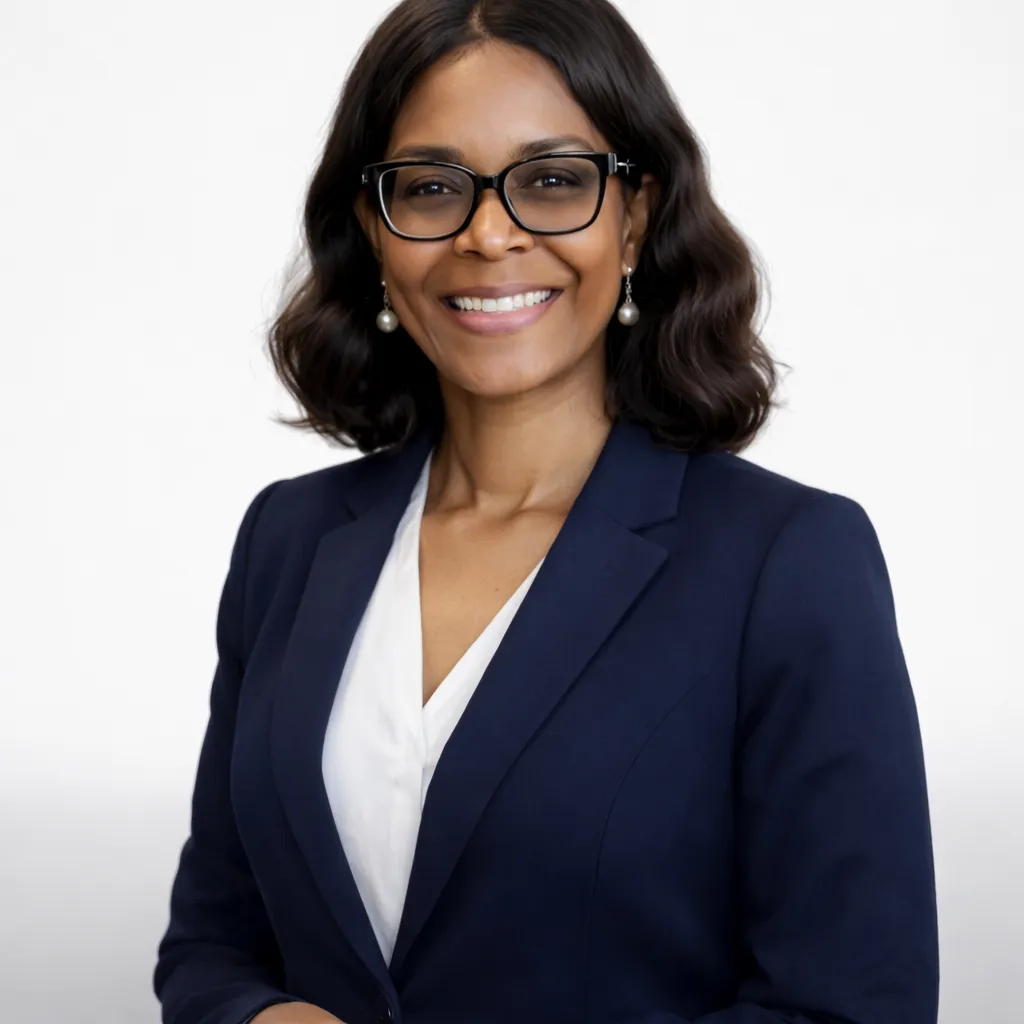
“Every life has layers of story and struggle. My role is to help people feel less alone and more equipped to help.”
— Sabina Zunguze
Why I do this work
A personal loss that became a lifelong commitment.
My advocacy is rooted in profound personal loss. I know firsthand how suicide can shatter families, faith communities, and workplaces—and how often the people closest to someone in pain feel unprepared to help or unsure of what to say.
For years, I carried questions, guilt, and silence. Eventually, I realized that staying quiet only keeps stigma alive. I chose to turn my grief into a commitment: to educate, to normalize hard conversations, and to help others recognize the signs I wish I had understood sooner.
Today, every workshop, keynote, and training I lead is informed by that lived experience. I hold space with tenderness and honesty, honoring the people we’ve lost while equipping those still here to listen, notice, and act.
Two decades of work in community and systems
Behavioral health education, community engagement, and resilience-building.
Over the past 20+ years, I’ve worked across schools, nonprofits, healthcare partners, and faith-based communities to design and deliver behavioral health education that is both evidence-informed and deeply relational.
Behavioral health education
I translate complex behavioral health concepts into accessible, plain language so that non-clinicians—leaders, peers, caregivers, and volunteers—can understand what they’re seeing and respond with confidence.
Community engagement
From town halls to faith gatherings, I create spaces where people feel safe to ask questions, share their stories, and explore what mental health support can look like in their specific context and culture.
Resilience-building
I help organizations move beyond one-time events toward ongoing cultures of care—integrating trauma-informed practices, peer support, and sustainable rhythms that protect both staff and the communities they serve.
How I work
Non-clinical, supportive education for everyday helpers.
You don’t have to be a therapist to make a meaningful difference in someone’s life. My trainings are specifically designed for non-clinical audiences—people who care deeply, but don’t always know what to say or do when someone is struggling.
I use clear, stigma-free language, real-world scenarios, and guided practice so participants leave feeling prepared—not paralyzed—when someone says, “I’m not okay.”
Who I support
- Organizational leaders and HR teams building cultures of psychological safety
- School staff, educators, and student support teams
- Faith leaders and ministry teams walking with people in crisis
- Caregivers, parents, and family members supporting loved ones
- Peer supporters, volunteers, and community advocates
What participants gain
- A shared language for talking about mental health and suicide risk
- Confidence to ask direct, life-saving questions
- Clarity on warning signs, risk factors, and protective factors
- Step-by-step frameworks for responding and referring to help
- Permission to care well without carrying it all alone
Certified QPR Trainer
Teaching QPR: Question, Persuade, Refer.
As a certified QPR (Question, Persuade, Refer) Suicide Prevention Gatekeeper Trainer, I equip people with a practical, research-supported method for recognizing warning signs of suicide and taking life-saving action.
QPR is often described as the CPR of suicide prevention. My role is to make this framework approachable and memorable, so participants can recall and apply it under stress—whether they are talking with a student, a colleague, a congregant, or a loved one.
- Interactive QPR gatekeeper trainings tailored to your setting
- Options for staff development days, community events, or leadership retreats
- Guides and follow-up resources to reinforce learning after the session
How people describe my sessions
Clear, gentle, and grounded in real life.
Participants often tell me they were nervous before the session—but leave feeling lighter, more informed, and more connected to each other. That is my goal every time.
- I avoid jargon and clinical language unless it’s truly helpful.
- I invite questions and acknowledge the complexity of real lives.
- I name hard truths without rushing people through their feelings.
- I center dignity, cultural humility, and lived experience.
- I always point back to hope, help, and next steps.
“Sabina has a way of talking about suicide that is both honest and deeply compassionate. She took concepts that usually feel clinical and made them understandable for our entire staff.”
— Organizational Leader, Community-Based Nonprofit
Next step
Let’s build a more prepared and compassionate community together.
If you’re exploring suicide prevention or behavioral health education for your organization, school, or community, I’d love to learn more about your context and needs. Together, we can design a session or training pathway that fits your people—not just a generic program.
Use the contact form on my Contact page or email your inquiry, and we’ll explore options for keynotes, workshops, QPR trainings, or ongoing consultation.
I welcome collaborations with schools, nonprofits, businesses, and faith communities.